HigherOrigins
Perrin Family Farm

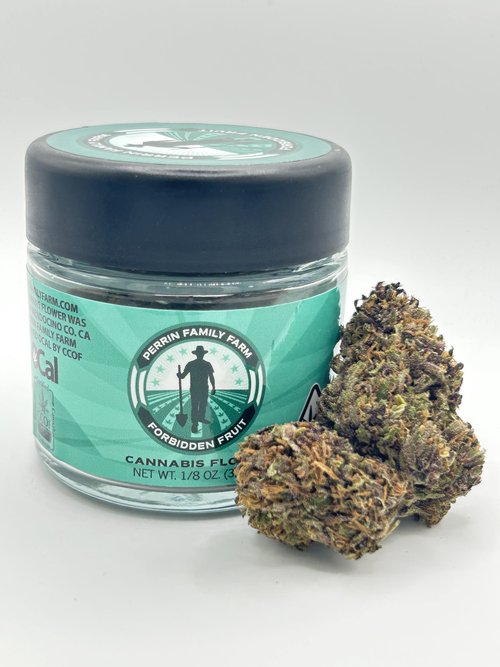
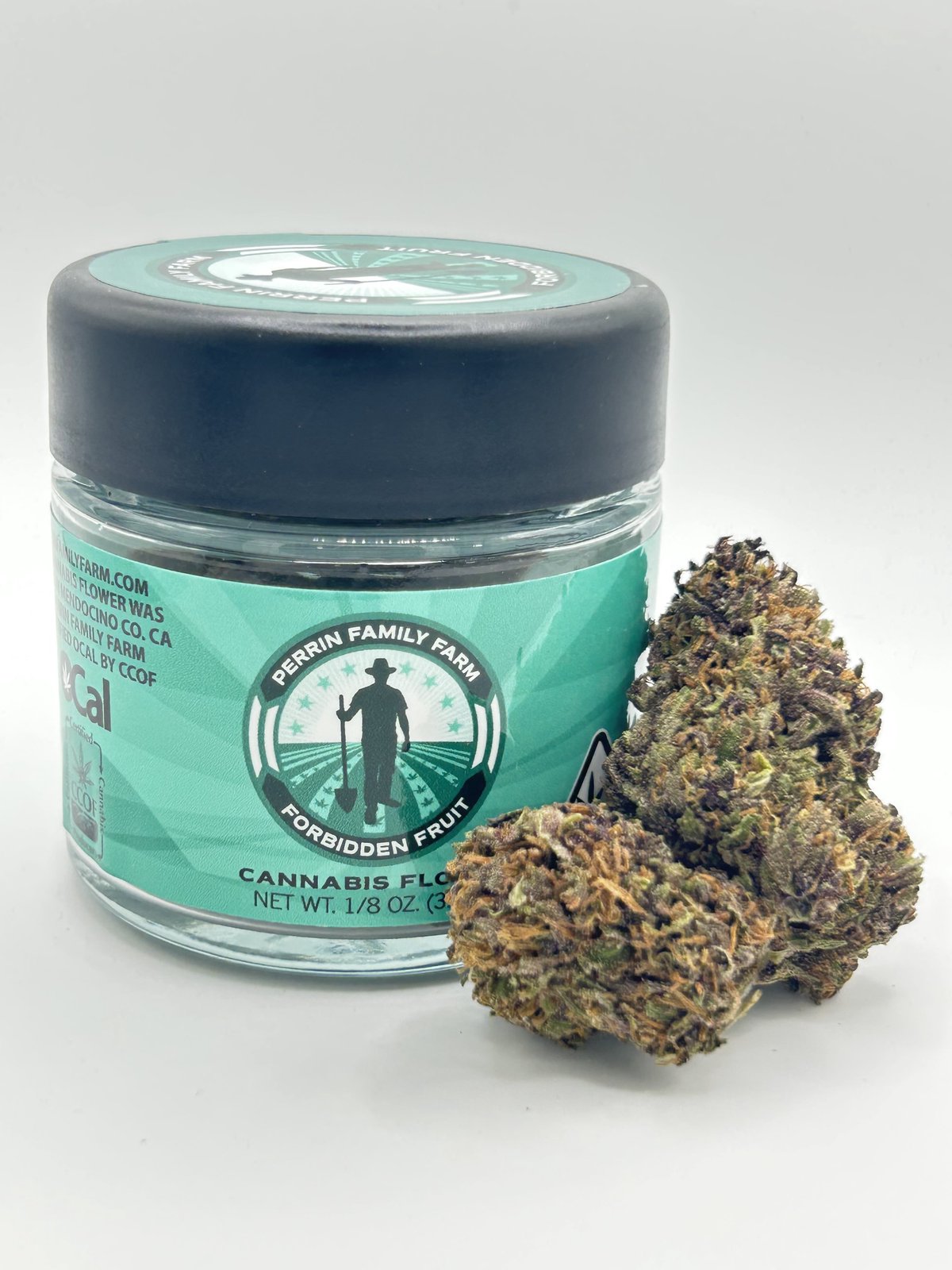
Forbidden Fruit 3.5g Flower

Flower 3.50 g OutdoorSmallOCalSingle License Operator
Strain Forbidden Fruit
Quantity 3.50 g
THC 23.52%
CBD 0.07%
Terpenes NT
Total Cannabinoids 24.45%
Sum Cannabinoids 27.77%
Get the latest updates from Perrin Family Farm
by subscribing you have agreed to our privacy policy

Product Description

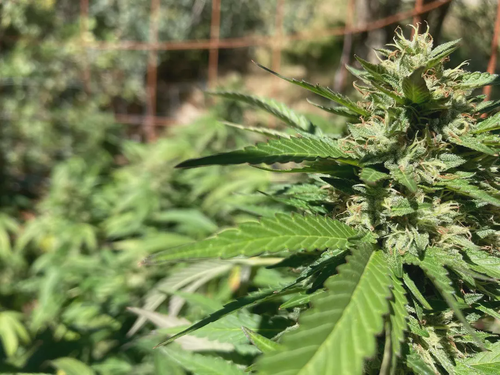
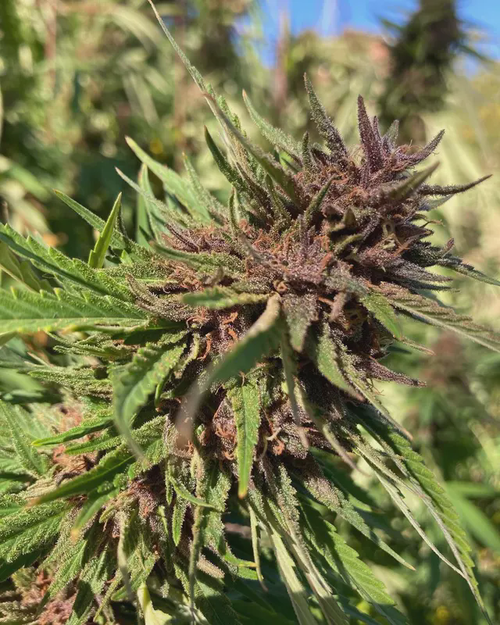
Our Forbidden Fruit is grown at Perrin Family Farm in Mendocino County, where outdoor conditions allow this indica-dominant strain to develop its full aromatic depth. Planted on a south-facing hillside above the Ukiah Valley, this flower benefits from long summer days and cool evening temperatures. Forbidden Fruit offers sweet tropical fruit and dark berry aromas with a citrus undertone, paired with calming, body-focused effects that make it ideal for evening relaxation. We take a hands-on approach throughout the season, focusing on clean inputs, attentive plant care, and proper curing to preserve flavor and smoothness.

Product Batches

0193 THC: 23.52% CBD: 0.07% Terpenes: 0% Lab Test Date: Dec 13, 2025 Testing Lab: C8-0000013-LIC
THC 23.52%
CBD 0.07%
Total Cannabinoids 24.45%
Terpenes NT
Sum Cannabinoids 27.77%
Lab Test Date Dec 13, 2025
Testing Lab C8-0000013-LIC

About Perrin Family Farm

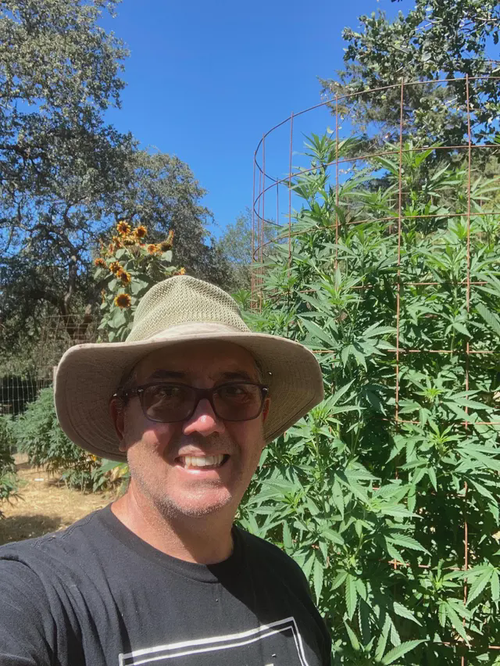
At Perrin Family Farm, located near Ukiah in Mendocino County, we specialize in cultivating sustainable, sun-grown cannabis. Since 2016, we’ve been dedicated to organic and regenerative farming practices, earning certification under California’s OCal program. Our focus is on producing high-quality strains like Forbidden Fruit while staying true to our values of small-scale, environmentally conscious farming.

Wholesale Inquiry

Are you a licensed cannabis business with a California Cannabis License issued by the Department of Cannabis Control (DCC)? Sign up for Higher Origins for free to explore products from Perrin Family Farm.

Frequently Asked Questions

Here’s a list of commonly asked questions. Click each to reveal the answer.

Q: Where is "Mendocino County" and what is it known for?

Mendocino County is located on the north west coast of California, known for its rugged coastline, wineries, and redwood forests. The county is home to inland towns such as Willits (where Higher Origins was created!) and Ukiah, as well as coastal towns like Fort Bragg and the popular tourist village Mendocino. As one of the three counties in the fabled "Emerald Triangle", the county has a long history of cannabis cultivation, dating back to the 1960s when it became a hub for the counterculture movement. During this time, many young people moved to the area to grow and sell cannabis, drawn by the region's favorable climate and abundant natural resources. Medical legalization, the decline of the logging industry, and recreational legalization completely changed the landscape of the Mendocino county cannabis industry. Today, the county is now one of the largest centers of cultivation in the state, and the county with the highest percentage of small farms. Unfortunately, poor management of the licensing and permitting process by county officials has created an obstacle for easy expansion of legal cannabis businesses in the county.

Q: What are "Flower" cannabis products?
The flower of the cannabis plant, also known as the bud. These buds contain the primary concentration of chemicals like THC and CBD in the plant.
Q: What is "Outdoor" cannabis?
Outdoor cannabis is grown under natural sunlight, letting plants reach their full potential. These plants often grow larger and develop rich flavors and unique terpene profiles shaped by the local climate and seasons.
Q: What makes California grown cannabis unique?
California cannabis benefits from diverse microclimates, abundant sunlight, and nutrient-rich soils. Sun-grown cannabis develops stronger terpene profiles and richer flavor compared to indoor-grown flower. These regional conditions, combined with skilled small-farm cultivation, create distinctive effects and aromas that make California cannabis highly sought after.
Q: Why buy cannabis from small farms?
California’s small cannabis farms focus on quality, care, and unique genetics. Unlike large-scale producers, small farms hand-tend plants, monitor terpene profiles, and use sustainable cultivation practices. Buying from small farms supports local economies, preserves craft growing techniques, and gives you access to premium, artisanal cannabis products.
Q: Is small-batch cannabis better quality?
Yes. Small-batch cannabis allows growers to focus on careful cultivation, hand-harvesting, and proper curing techniques. Limited production ensures fresher, more potent flower and concentrates with richer terpene profiles. This hands-on approach produces a higher-quality product compared to mass-produced cannabis.
Q: How do small cannabis farms help the environment?
Small farms are more likely to practice regenerative and sustainable cultivation, including natural pest management, composting, cover crops, and minimal water use. Supporting these farms helps reduce environmental impact, protect local ecosystems, and promote responsible, eco-friendly cannabis production in California.
Q: What does OCal certified cannabis mean?
OCal certification is California’s “organic equivalent” standard for cannabis. It ensures that the product is grown without synthetic pesticides or harmful chemicals, using environmentally responsible farming methods. Many OCal-certified farms also follow Sun+Earth regenerative practices, emphasizing sustainable soil health, ethical labor, and eco-friendly cultivation techniques.
Q: What are terpenes in cannabis and why do they matter?
Terpenes are natural compounds responsible for the aroma, flavor, and subtle effects of cannabis. For example, limonene may provide an uplifting effect, while myrcene can be calming. Terpenes work together with cannabinoids in what’s known as the “entourage effect,” helping shape the overall experience and quality of your cannabis.
HigherOrigins
Are you 21 or older?
By continuing, you acknowledge that you have read, understood, and agree to our terms of use and privacy policy