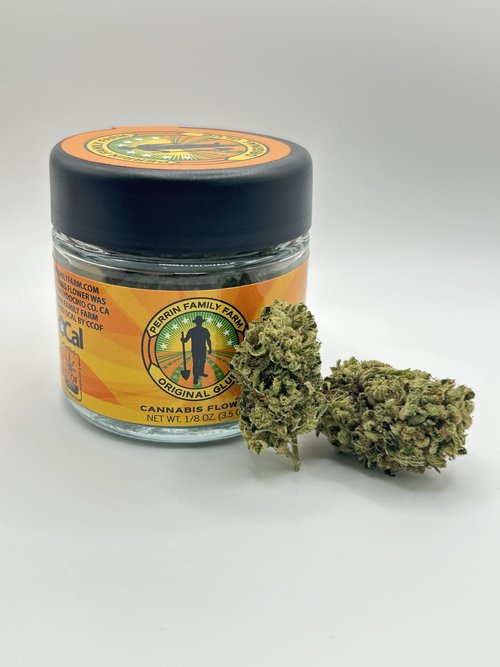
Higher Origins · Reviewed
Sungrown cannabis grows under the sun, following the seasons. The light source, local conditions and harvest season all shape the grower’s work.
Higher Origins · Reviewed
Sungrown cannabis grows under the sun, following the seasons. The light source, local conditions and harvest season all shape the grower’s work.
Strain: Orange Peel
Flavor & aroma: Orange Peel, Pepper, Ambient/Indirect Gas.
Strain: Rainbow Belt Runtz
Flavor & aroma: Camphor, Citrusy, Earthy, Fruity, Spicy, Sweet
Strain: Mystic Lights
Flavor & aroma: Camphor, Earthy, Fruity, Sweet
Strain: Blueberry Mintz
Flavor & aroma: Blueberry Italian Soda syrup, Menthol, and Dark Fermented Gas.
For many outdoor growers, a harvest is the result of months spent with the same plants. The season brings changing daylight, heat, cool nights and weather to work around. Many cannabis varieties begin flowering as the nights grow longer, which helps explain the connection between full-season flower and an autumn harvest.
There are other rhythms too. Different varieties and growing setups can produce different harvest schedules. A University of California grower survey documented that variety in California farming; a season is a useful starting point, rather than a calendar every farm follows.
Even farms in the same county can have different slopes, sun exposure and access to water. A grower works with those conditions when choosing strains, caring for plants and deciding when to harvest. Getting to know a farm helps you understand those choices.
That doesn’t give every flower from a region one shared flavor. Start with the grower’s description of the actual strain, then follow the farm’s story if a place catches your interest.
Full-sun outdoor flower grows without artificial lighting on mature plants. Greenhouses and similar structures can offer a different balance of sunlight and shelter; mixed-light cultivation may also use supplemental lamps. California’s growing license types distinguish these approaches.
Sunlight is one part of how a farm operates. Water use, soil care and the work of drying a harvest are other parts of the picture. For a closer look at the ground beneath the plants, explore living soil.
After harvest, drying reduces moisture and trimming removes excess leaf. Curing follows drying, with attention to the conditions in which flower is held before packing. The grower’s care continues well beyond the day the plants come down.
Temperature, moisture, light and storage affect how flower keeps. Oregon State’s post-harvest guide explains that work. A harvest date is one useful detail; handling is another part of the story.
Names, photos and flavor descriptions come from the farms’ and brands’ public Higher Origins listings. A harvest date is the latest one recorded for that product and may differ from the batch in a shop.
Our guides bring together products and producers based on their listed growing practices, certifications, farm size or history. Recommendations can change as the listings change.
A shop listing or past delivery is a lead, rather than a promise of stock. Product pages show dates to help you see how recent the information is. Check with the shop before making a trip.
Some featured farms use Higher Origins’ business services. These picks are not paid rankings.
Further reading: soil health, California growing license types and OCal.