Higher Origins · Reviewed
Living soil is full of life: fungi, bacteria and other tiny organisms that help feed cannabis plants. The grower tends this underground community as well as the plant.
Higher Origins · Reviewed
Living soil is full of life: fungi, bacteria and other tiny organisms that help feed cannabis plants. The grower tends this underground community as well as the plant.
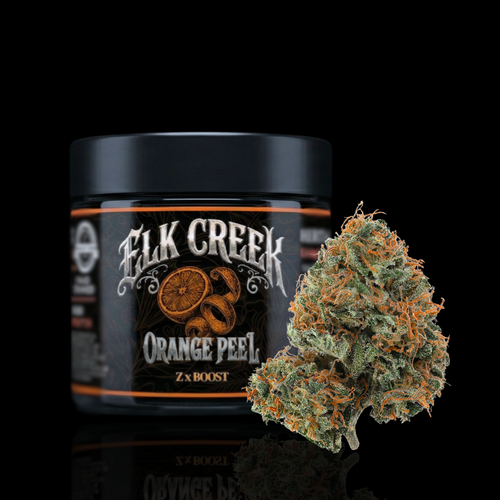
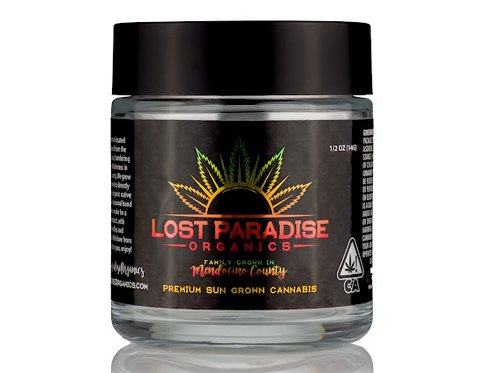
Strain: Orange Peel
Flavor & aroma: Orange Peel, Pepper, Ambient/Indirect Gas.
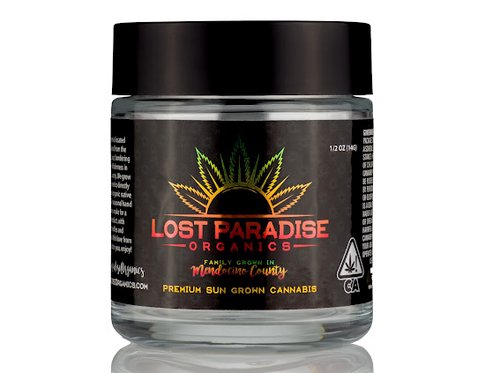
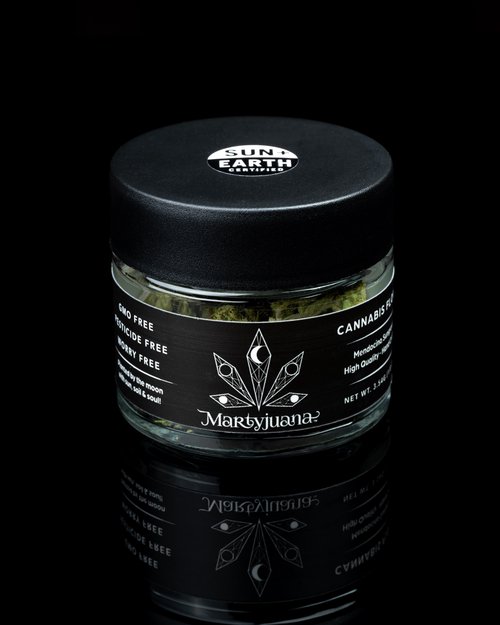
Strain: Mystic Lights
Flavor & aroma: Camphor, Earthy, Fruity, Sweet
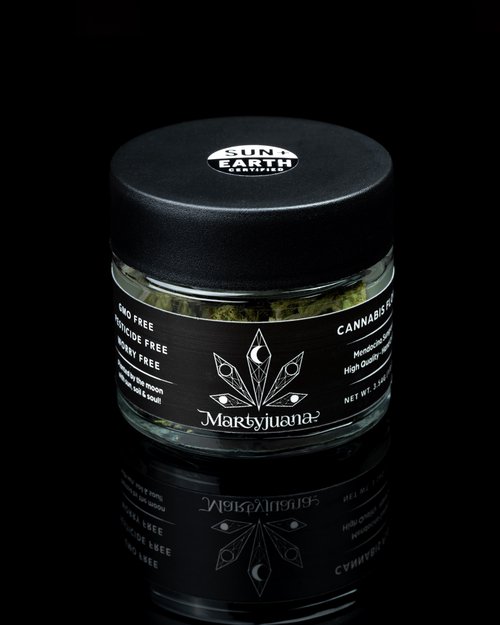
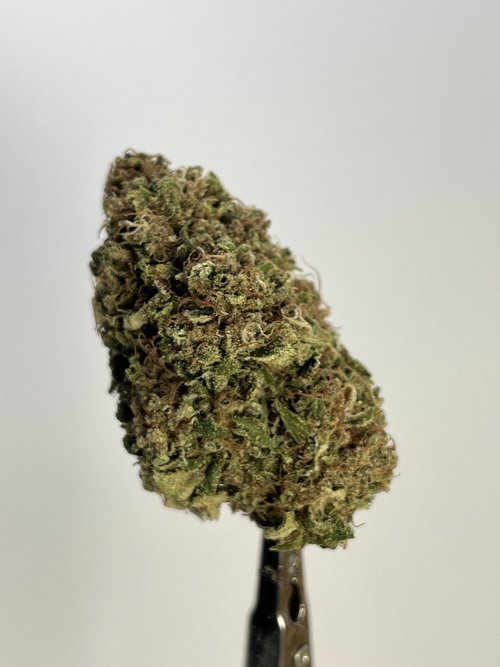
Strain: Blueberry Mintz
Flavor & aroma: Blueberry Italian Soda syrup, Menthol, and Dark Fermented Gas.
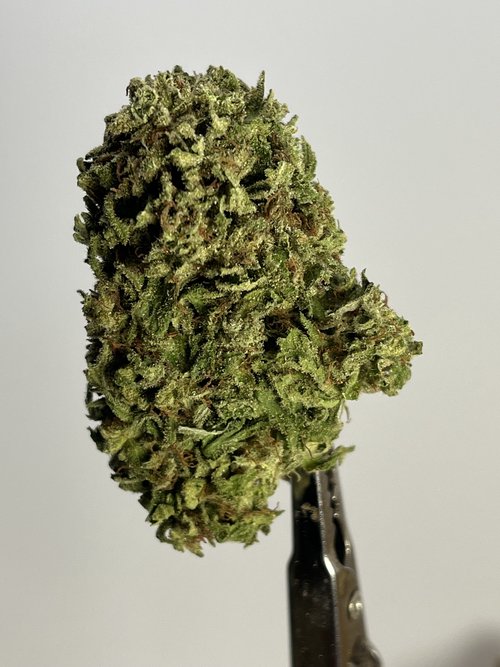
Strain: Jack Mormon
Flavor & aroma: Camphor, Citrusy, Earthy, Piney, Sweet
A handful of soil holds more than roots and bits of leaf. Bacteria, fungi and small animals are part of a food web: some break down plant material, while others feed on those organisms. As that material moves through the community, nutrients become available for plants to use.
That’s the idea behind living-soil growing. The grower cares for the habitat around the roots as well as the cannabis plant. Soil life also helps shape the spaces that let air and water move through the ground. USDA’s Soil Biology Primer is a good introduction to that underground world.
You’ll often hear these words in a farm’s story. They describe different ways of feeding and protecting the soil:
Together, practices like these can help soil take in water, resist erosion and support life over time. They give you something concrete to connect with when a grower talks about caring for the land.
Tilling turns and breaks up the soil. No-till growing keeps that disturbance to a minimum, helping protect the habitat that roots and soil organisms have built. Reduced-till approaches sit somewhere between heavy cultivation and leaving the soil largely in place.
This is ongoing care, rather than simply leaving a bed alone. A grower still manages water, adds organic material and pays attention to the plants. USDA’s soil-health principles explain how living roots, ground cover, diversity and less disturbance work together.
Soil care is one part of a flower’s story. The strain, the season and the work after harvest matter too, so there’s room to explore very different flavors within living-soil cannabis.
You can also get to know sungrown flower and OCal. Sunlight describes the light source, while OCal is a separate certification. The topics can overlap without meaning the same thing.
Names, photos and flavor descriptions come from the farms’ and brands’ public Higher Origins listings. A harvest date is the latest one recorded for that product and may differ from the batch in a shop.
Our guides bring together products and producers based on their listed growing practices, certifications, farm size or history. Recommendations can change as the listings change.
A shop listing or past delivery is a lead, rather than a promise of stock. Product pages show dates to help you see how recent the information is. Check with the shop before making a trip.
Some featured farms use Higher Origins’ business services. These picks are not paid rankings.
Further reading: soil health, California growing license types and OCal.