Higher Origins · Reviewed
Regenerative cannabis starts with a bigger view of the farm: caring for the soil, water and life around the plants, season after season.
Higher Origins · Reviewed
Regenerative cannabis starts with a bigger view of the farm: caring for the soil, water and life around the plants, season after season.
Regenerative growing looks at what a farm can build over time: healthier soil, more life around the garden and land that can keep supporting future harvests. For someone choosing cannabis, it offers a connection to the work behind the flower.
The details make that idea easier to picture. A grower might describe keeping roots in the ground between crops, feeding beds with compost or planting a hedgerow beside the garden. Those choices have different jobs, and the way they fit together tells you more about a farm than the word alone.
A bed can hold the work of many harvests. Compost adds organic material, mulch covers the surface and no-till growing limits the turning and breaking of soil. Together with living roots, these approaches help a grower care for the life beneath the plants.
Cover crops are plants grown partly for that job. Their roots help hold soil in place, while the plants protect the surface and contribute organic matter. The USDA’s cover-crop guide explains how they can support soil life and help water enter the ground. Our living-soil guide takes a closer look at that underground community.
Flowers, shrubs and other crops can be part of the same farm. A hedgerow is a planted strip along an edge; flowering plants can provide food and shelter for insects and other wildlife. Keeping a variety of plants gives more kinds of life a place in the landscape.
That wider view is part of why growers talk about biodiversity: the variety of living things in and around the garden. USDA’s soil-health principles connect plant diversity, ground cover and living roots. A farm’s own story can show you how those ideas look in its particular setting.
Soil and water are closely connected. Organic matter can help soil take in and retain moisture, and a covering of plants or mulch helps protect the surface. USDA’s soil and water guidance explains that relationship.
A grower may also describe collected rainwater, irrigation choices or care for the areas around a stream. These are useful details to notice as you get to know a farm. The work depends on its land, water sources and seasons, so the story will look different from one garden to another.
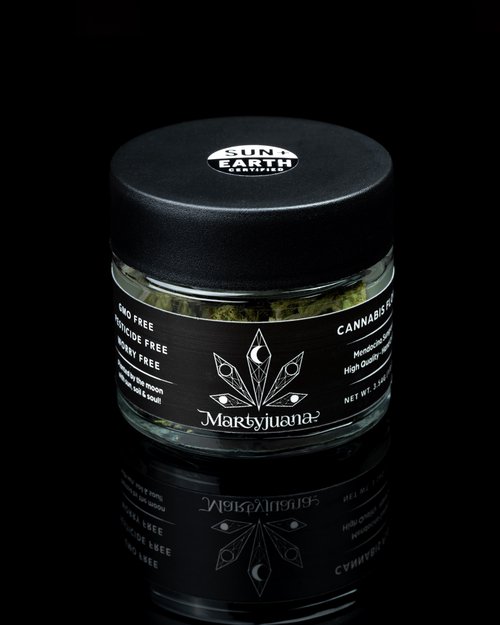
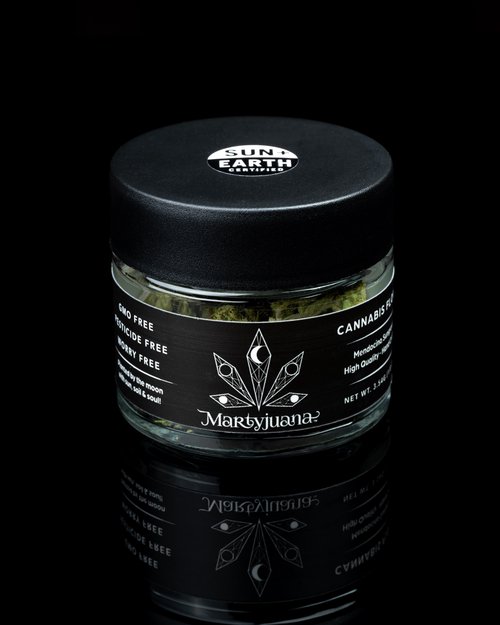
Sun+Earth is a certification program with standards covering organic and regenerative farming, worker well-being and community involvement. Its consumer FAQ explains the program and how certification includes reviewing practices and inspecting farms.
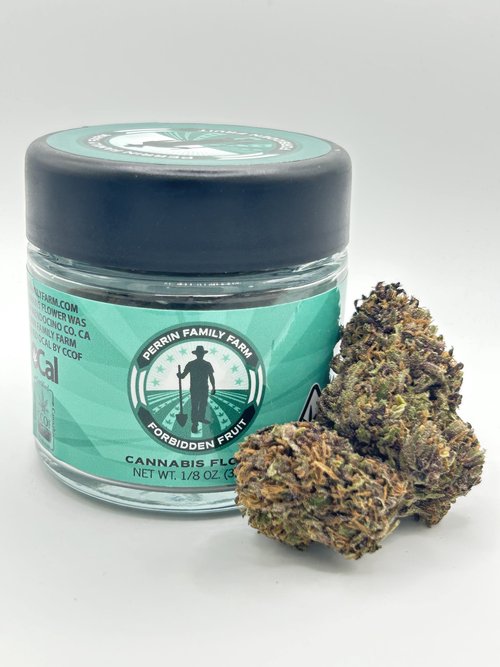
A grower describing regenerative practices isn’t automatically Sun+Earth certified. OCal is another distinct program, with California’s comparable-to-organic standards. Learning which practices and certifications a farm lists helps you follow the parts of its work that matter to you.
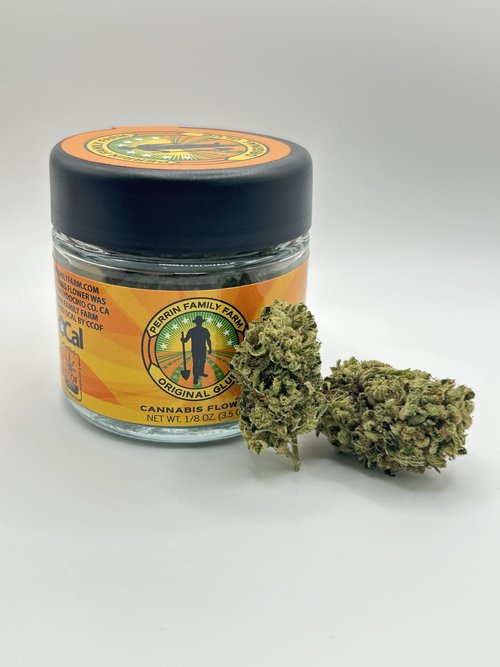
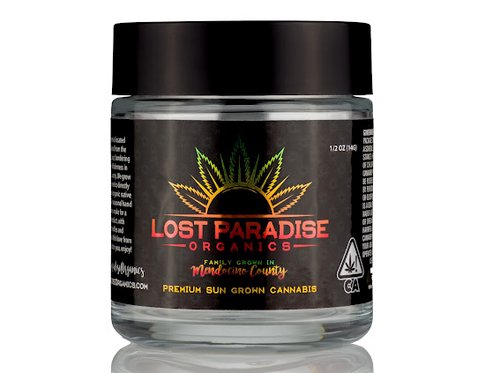
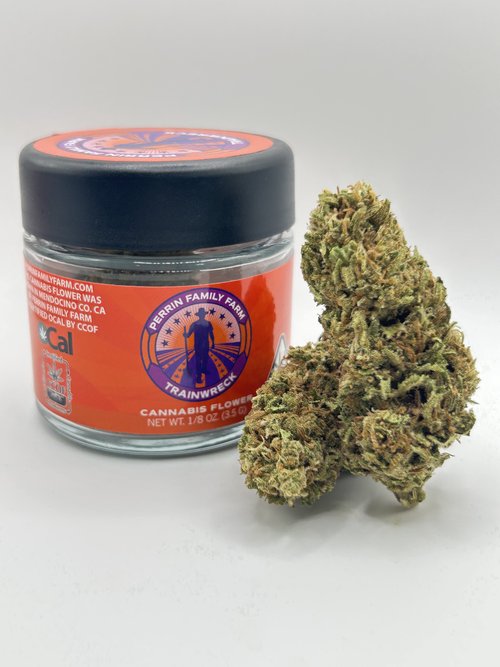
Names, photos and flavor descriptions come from the farms’ and brands’ public Higher Origins listings. A harvest date is the latest one recorded for that product and may differ from the batch in a shop.
Our guides bring together products and producers based on their listed growing practices, certifications, farm size or history. Recommendations can change as the listings change.
A shop listing or past delivery is a lead, rather than a promise of stock. Product pages show dates to help you see how recent the information is. Check with the shop before making a trip.
Some featured farms use Higher Origins’ business services. These picks are not paid rankings.
Further reading: soil health, California growing license types and OCal.