Higher Origins · Reviewed
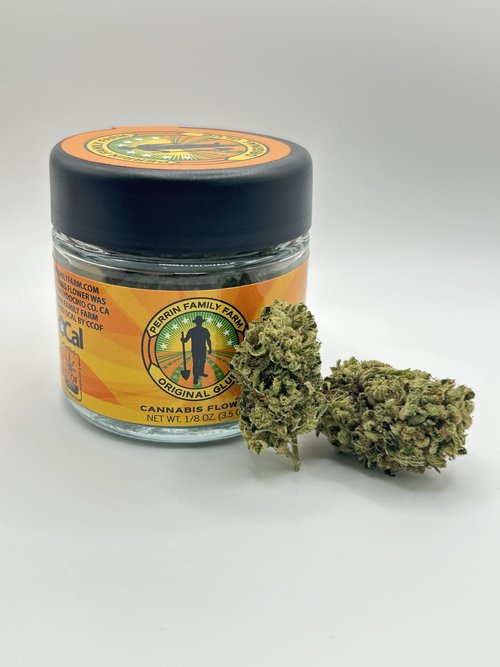
If you look for organic food, you may have wondered what to look for in cannabis. In California, OCal is the label to get to know: it certifies cannabis to comparable-to-organic standards.
Higher Origins · Reviewed
If you look for organic food, you may have wondered what to look for in cannabis. In California, OCal is the label to get to know: it certifies cannabis to comparable-to-organic standards.
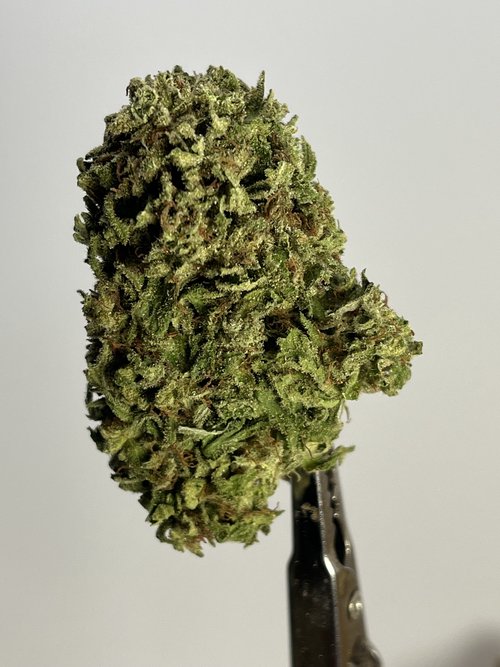
Strain: Mystic Lights
Flavor & aroma: Camphor, Earthy, Fruity, Sweet
Strain: Jack Mormon
Flavor & aroma: Camphor, Citrusy, Earthy, Piney, Sweet
OCal uses the phrase “comparable-to-organic” for cannabis. It’s a separate program from USDA Organic, with its own standards and certifiers. If you’re familiar with organic food, it gives you a way to explore similar farming values in California cannabis without treating the two labels as interchangeable.
There’s more to the standard than a list of products a grower can put on a plant. OCal includes care for soil and water, the cycling of nutrients and the diversity of life around a farm. That can involve protecting habitat, encouraging a variety of plants and finding ways to keep soil covered and nourished.
Compost and cover crops fit into that bigger picture. They can help a grower build organic matter and support the life in the soil. The choices belong in the farm’s plan and have to suit its own conditions; there isn’t one identical garden that every certified farm recreates.
CDFA’s guidance on land and biodiversity gives examples of how these ideas become everyday farm work.
Prevention comes first: growing healthy plants, keeping the growing area well managed and making it harder for pests and disease to take hold. The standard allows approaches such as encouraging beneficial insects, using physical barriers and managing the conditions around the crop.
When those measures aren’t enough, some treatments are allowed under specific rules. The materials used and the reasons for using them matter. An OCal label describes a farming and handling standard, rather than promising that nothing was ever applied to the plants.
A farm seeking certification puts its practices into a written plan and keeps records of what it does. A registered certifier reviews the information and inspects the operation. Continuing certification includes annual updates and inspection requirements, so the process carries on after the first certificate.
For the grower, that makes recordkeeping part of caring for the crop. For you, it means there’s a defined standard and an outside review behind the label. The OCal standards explain those requirements in detail.
California’s OCal producer list shows certified businesses and the types of products covered. You can also explore living soil and sungrown flower: soil care, sunlight and certification are different parts of getting to know your cannabis.
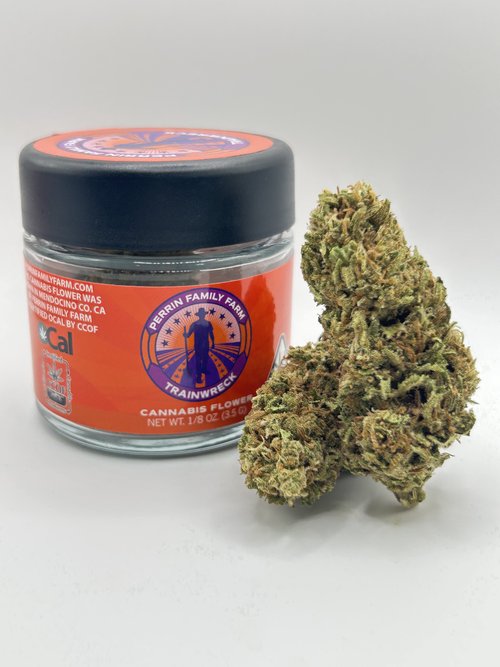
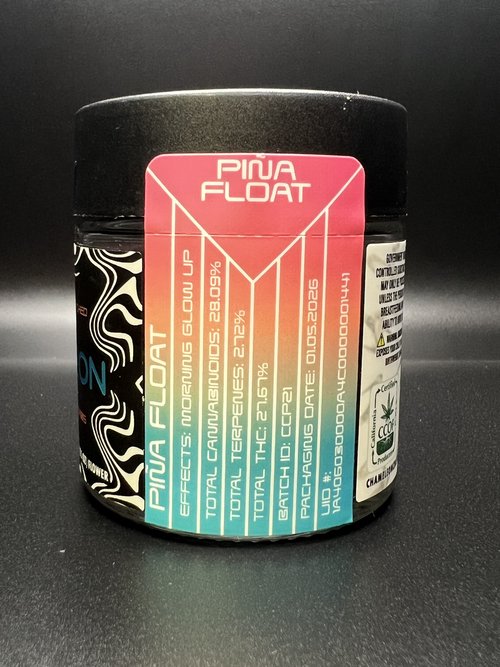
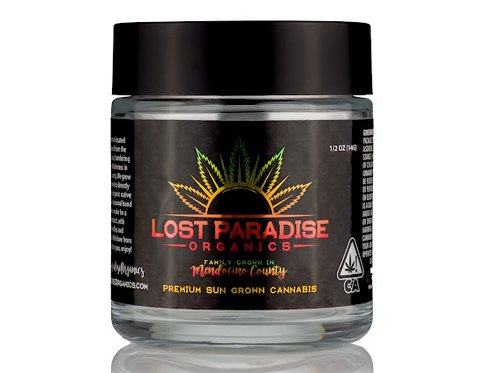
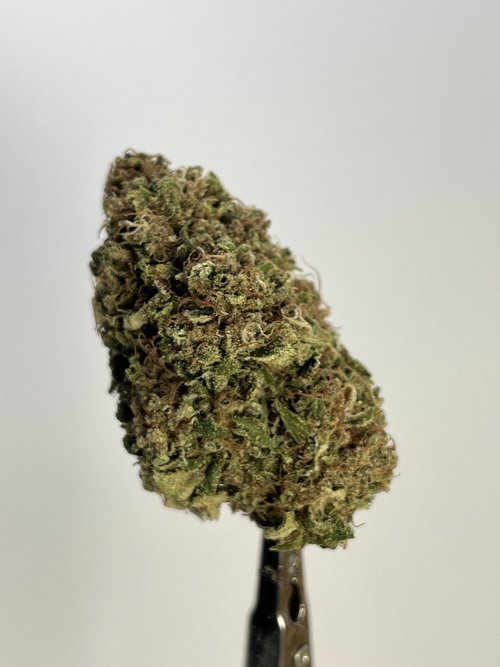
Names, photos and flavor descriptions come from the farms’ and brands’ public Higher Origins listings. A harvest date is the latest one recorded for that product and may differ from the batch in a shop.
Our guides bring together products and producers based on their listed growing practices, certifications, farm size or history. Recommendations can change as the listings change.
A shop listing or past delivery is a lead, rather than a promise of stock. Product pages show dates to help you see how recent the information is. Check with the shop before making a trip.
Some featured farms use Higher Origins’ business services. These picks are not paid rankings.
Further reading: soil health, California growing license types and OCal.