Higher Origins · Reviewed
A small growing space, family ownership and independence describe different aspects of a farm. This guide looks at the choices behind smaller-scale flower, from selecting strains to preparing a harvest.
Higher Origins · Reviewed
A small growing space, family ownership and independence describe different aspects of a farm. This guide looks at the choices behind smaller-scale flower, from selecting strains to preparing a harvest.
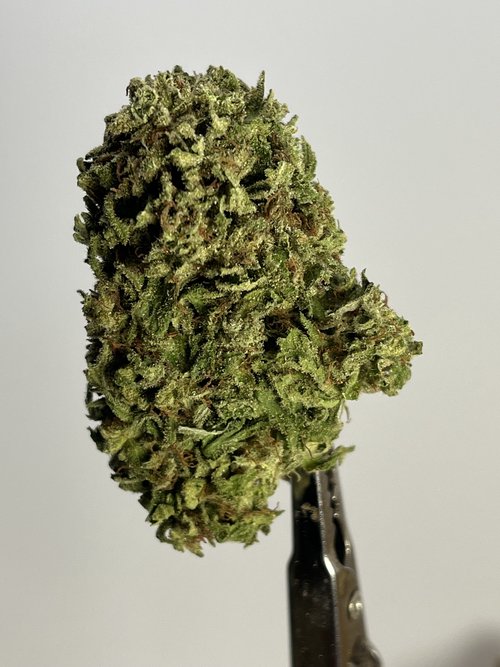
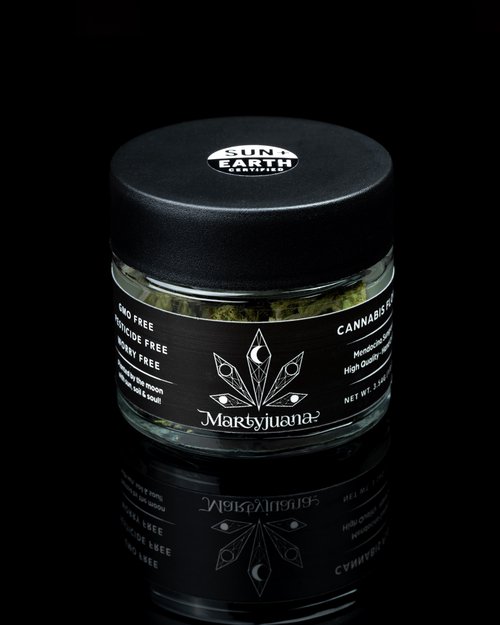
Strain: Mystic Lights
Flavor & aroma: Camphor, Earthy, Fruity, Sweet
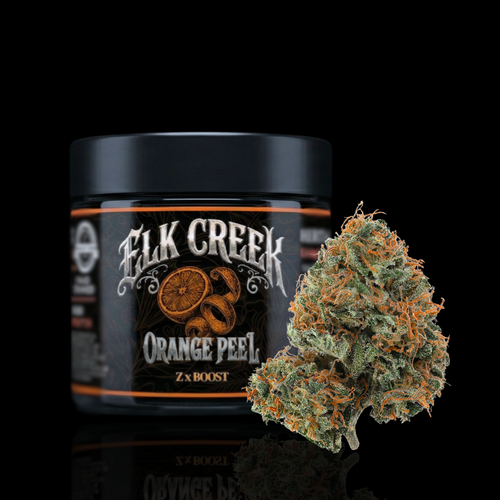
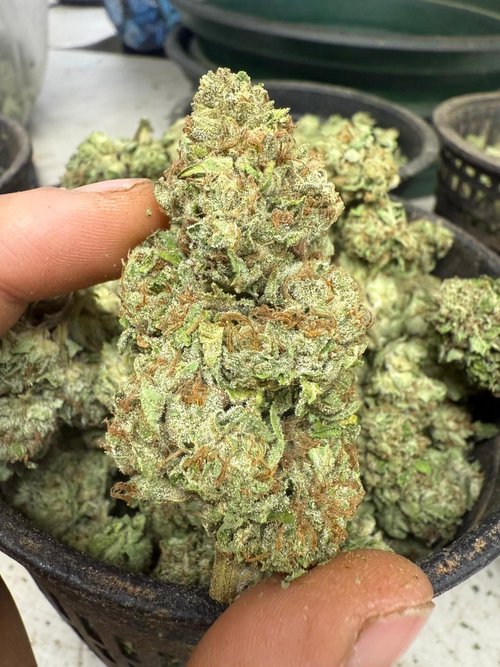
Strain: Orange Peel
Flavor & aroma: Orange Peel, Pepper, Ambient/Indirect Gas.
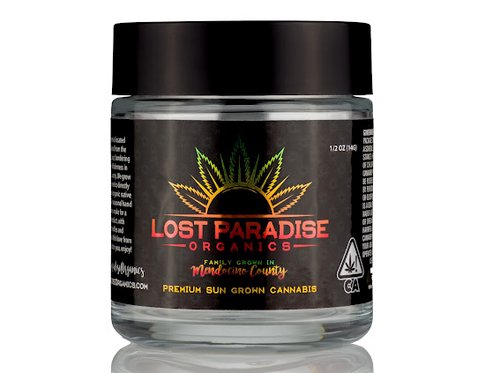
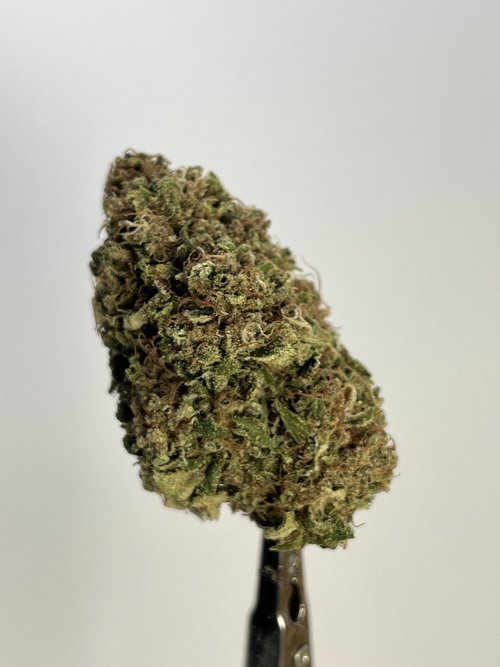
Strain: Rainbow Belt Runtz
Flavor & aroma: Camphor, Citrusy, Earthy, Fruity, Spicy, Sweet
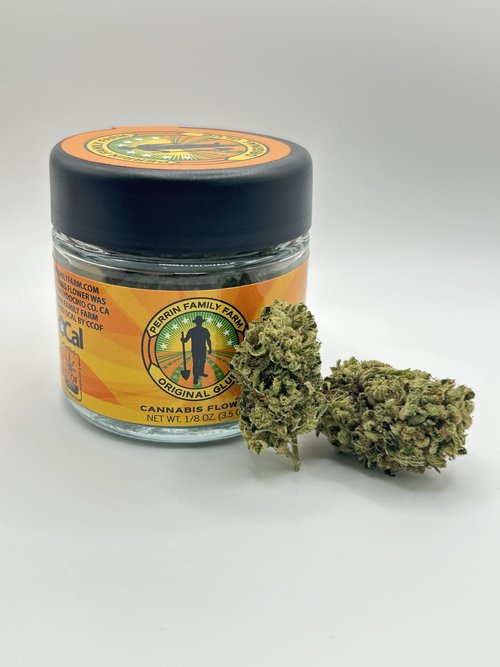
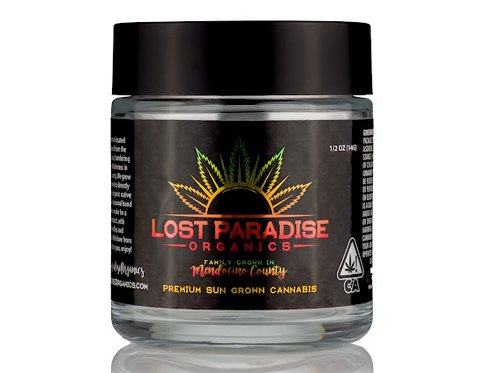
Strain: Jack Mormon
Flavor & aroma: Camphor, Citrusy, Earthy, Piney, Sweet
A finished flower is the part you get to see. Behind it are decisions about which plants to grow, how to care for them, when to harvest and how to prepare the flower for its journey to a shop.
With a smaller crew, the same people may move between tending plants, bringing in a harvest and getting flower ready to pack. Other farms work with specialist partners for some of those steps. California’s overview of cultivation describes the work from preparing a growing space through drying, curing and trimming.
Craft can mean different things to different growers. It becomes more interesting when you get to know their choices: a strain they return to each season, a new variety they’re trying, or a way of tending and handling flower that they’ve developed over time.
Those choices give a farm a point of view. You might follow one grower for bright fruit flavors and explore another for earthy or gassy flower. A farm’s story helps you connect the name on a jar with the people making those decisions.
The phrase might describe a single harvest, one strain grown in a particular part of a garden, or a limited run of packaged flower. Those are different ideas. A named harvest or a clear account of how the flower was grown and handled helps make the phrase meaningful.
A smaller release can also be a reason to follow a farm across the year. A favorite strain may return, while another release gives you something different to get to know. That’s an invitation to explore the grower’s work, rather than expecting every jar to be identical.
Drying, curing and trimming take their own space and attention. Growers reduce moisture, remove extra leaf and manage the conditions in which flower is held before packing. Those decisions help shape the journey from plant to jar.
Hand trimming is one detail a grower might share. Oregon State’s introduction to post-harvest care explains why drying and storage matter too. Getting to know that work adds depth to a farm’s story.
A small growing space tells you about the size of a garden. Family ownership tells you who owns the business, and independence concerns who controls it. A farm can be small in one sense and part of a bigger business in another.
If who you support is part of how you choose cannabis, the farm’s identity is worth knowing alongside its flower. Explore the people, place and growing practices in its profile, follow the flavors you enjoy and use “Where to buy” to find shops that have carried its products.
Names, photos and flavor descriptions come from the farms’ and brands’ public Higher Origins listings. A harvest date is the latest one recorded for that product and may differ from the batch in a shop.
Our guides bring together products and producers based on their listed growing practices, certifications, farm size or history. Recommendations can change as the listings change.
Small-farm picks use our Small growing-scale category. That tells you about growing size, rather than who owns the business or its total size.
A shop listing or past delivery is a lead, rather than a promise of stock. Product pages show dates to help you see how recent the information is. Check with the shop before making a trip.
Some featured farms use Higher Origins’ business services. These picks are not paid rankings.
Further reading: soil health, California growing license types and OCal.