Best Cannabis Brands in California: Find Your Favorite

Higher Origins · Reviewed

Finding the best cannabis brand for you starts with what you enjoy. A flavor you love, a growing style you care about or a farm’s story can all lead you somewhere worth exploring.

This guide starts with California’s smaller-scale growers.

Build your shortlist

The growers

More farms & brands

Let a flower lead you to a brand

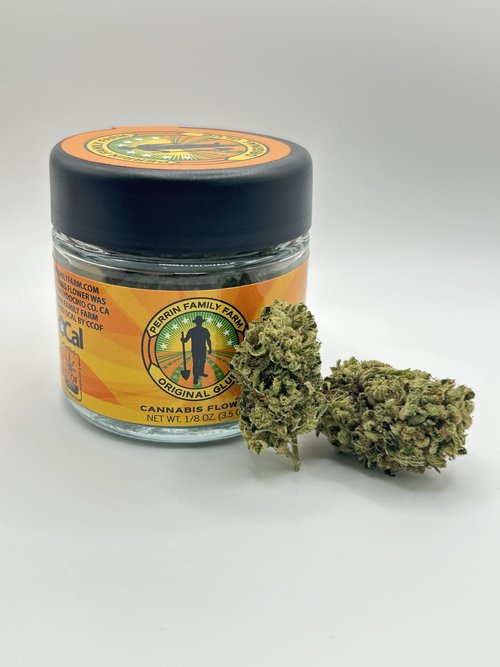
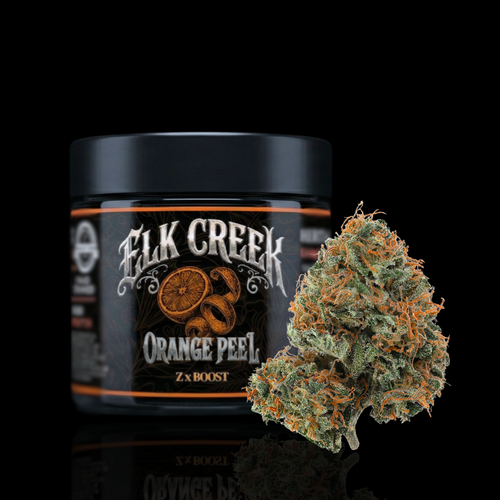
A name on a jar becomes more useful when you can connect it with something you enjoyed. Start with the actual flower: its strain, the grower and the flavors described. Bright citrus, sweet fruit, earthy notes or gas can give you a direction to explore.

When something catches your eye, open the farm or brand’s products to see what else it offers. A favorite strain might lead you to another release, while a different grower’s take on that strain can give you another point of comparison.

Give your shortlist a reason

You don’t have to know every brand to know what interests you. Choose a starting point that matters to you:

  • The soil: get to know living soil, including compost, cover crops and the life around the roots.
  • The sunlight: meet sungrown growers and explore how a season becomes a harvest.
  • The farming standard: learn about OCal and its comparable-to-organic approach.
  • The people: explore small-farm cannabis and the choices behind a grower’s work.

These are different ways to discover a farm. Pick one, follow your curiosity and let what you learn help shape your next choice.

Get to know the name behind the jar

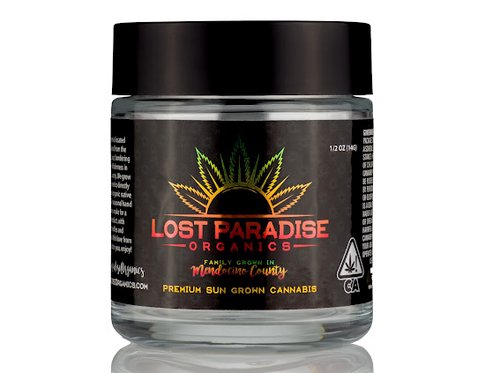
The brand, the grower and the business packing a product can be different names. California’s flower-label guidance explains that the listed business may be the cultivator or the licensee packaging the flower.

A farm profile helps add the story around those names: the place, the people and the way they grow. When the grower is named, you have another connection to follow beyond the logo on the package.

Put dates in context

A harvest date and a packaging date describe different moments. One points to when the crop came down; the other to when it was packaged. California’s flower-label guidance includes a packaging date, so it helps to notice which date you’re looking at.

Handling and storage are part of the story between those moments and your next jar. A date can help you place a release in time, while the grower’s account of its drying, curing and packing adds context. Use those details alongside the strain and flavor description.

Turn a shortlist into something you can find

When you’ve found a flower you’d like to explore, choose “Where to buy” on that product. Starting with the product keeps your search connected to the strain and grower that interested you.

About these picks

Names, photos and flavor descriptions come from the farms’ and brands’ public Higher Origins listings. A harvest date is the latest one recorded for that product and may differ from the batch in a shop.

Our guides bring together products and producers based on their listed growing practices, certifications, farm size or history. Recommendations can change as the listings change.

Small-farm picks use our Small growing-scale category. That tells you about growing size, rather than who owns the business or its total size.

A shop listing or past delivery is a lead, rather than a promise of stock. Product pages show dates to help you see how recent the information is. Check with the shop before making a trip.

Some featured farms use Higher Origins’ business services. These picks are not paid rankings.

Further reading: soil health, California growing license types and OCal.
Are you 21 or older?

Please confirm your age to continue. We’ll remember your choice on this browser for 7 days.

By continuing, you acknowledge that you have read, understood, and agree to our terms of use and privacy policy.

You must be at least 21 to enter Higher Origins.