Higher Origins · Reviewed
Behind California’s cannabis are people, places and growing traditions with stories that reach back through many seasons. Legacy farms give you a way to get to know those roots through the flower they grow today.
Higher Origins · Reviewed
Behind California’s cannabis are people, places and growing traditions with stories that reach back through many seasons. Legacy farms give you a way to get to know those roots through the flower they grow today.
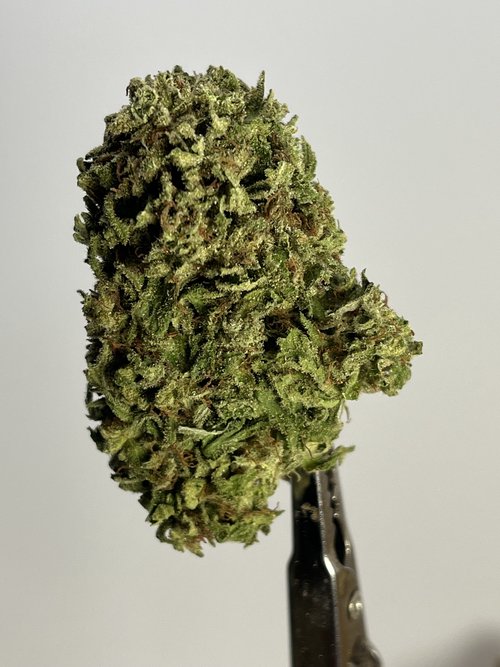
Strain: Mystic Lights
Flavor & aroma: Camphor, Earthy, Fruity, Sweet
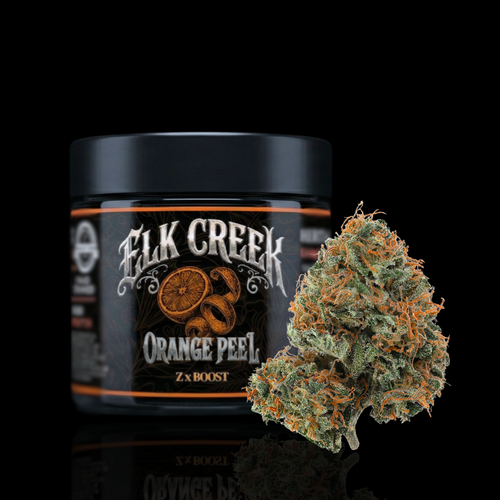
Strain: Orange Peel
Flavor & aroma: Orange Peel, Pepper, Ambient/Indirect Gas.
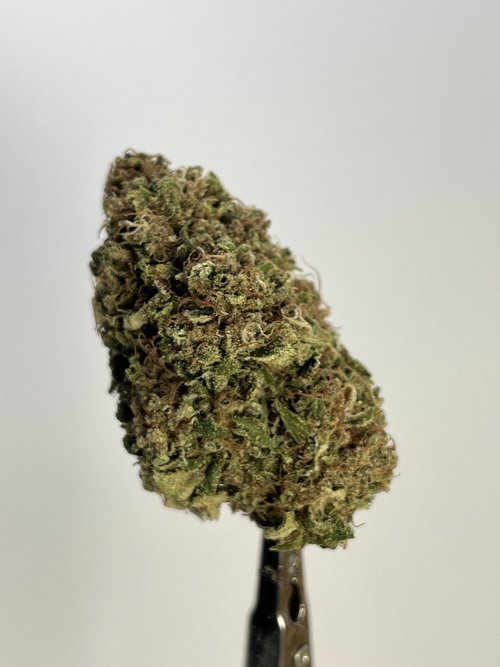
Strain: Jack Mormon
Flavor & aroma: Camphor, Citrusy, Earthy, Piney, Sweet
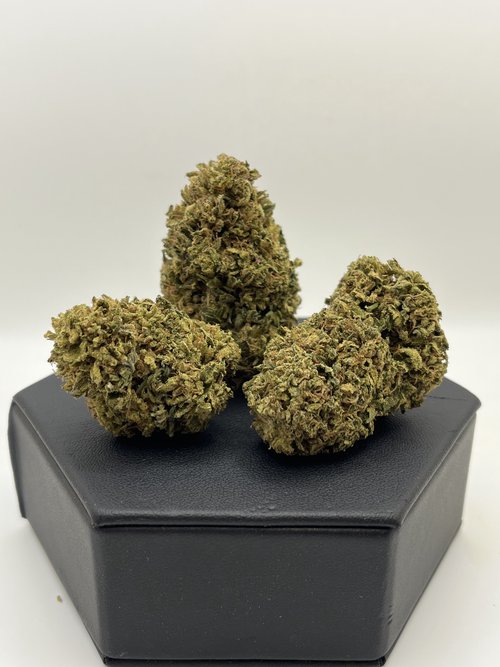
Strain: Blueberry Mintz
Flavor & aroma: Blueberry Italian Soda syrup, Menthol, and Dark Fermented Gas.
Strain: Lime Bubba Hindu
Flavor & aroma: Camphor, Citrusy, Earthy, Herbal, Spicy, Sweet
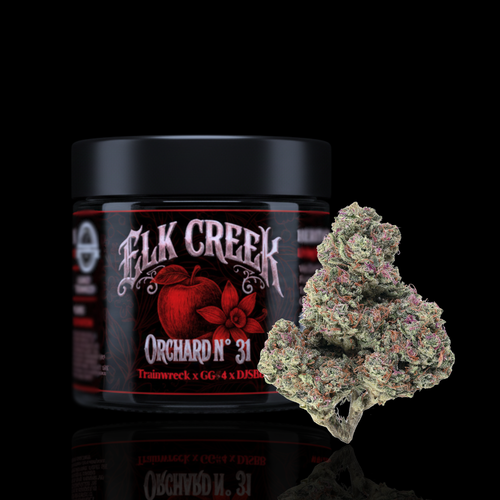
Flavor & aroma: Oxidized apple skin, vintage cologne, and industrial funk.
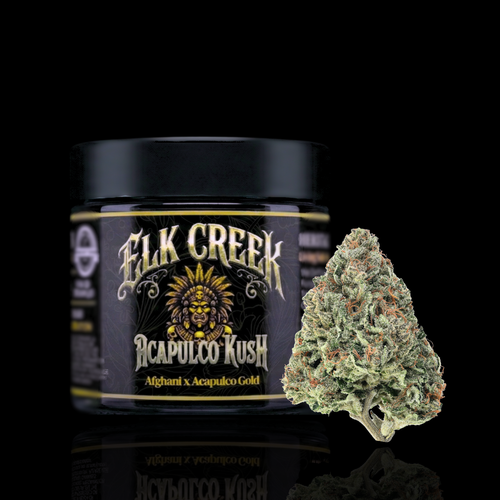
Strain: Acapulco Kush
Flavor & aroma: Sharp Tropical Bite, Floral Spice, layered Afghani undertones.
California’s cannabis story reaches into gardens, rural communities and the people who learned to grow across changing times. In Northern California, archives document cannabis-growing communities taking shape in the late 1960s and the decades that followed, including in Mendocino, Humboldt and Trinity counties.
The Humboldt Area Peoples Archive preserves oral histories and community records from that world. Cal Poly Humboldt’s cannabis archives connect readers with photographs, clippings and other collections. They offer a way to hear more than a brand’s name: the lives and places around the plant.
Legacy often points to experience carried forward: years spent tending plants, knowledge shared with family or other growers, and a connection to a place or community. A farm’s story can begin before its current name or business took shape.
Those beginnings can describe different things. A grower’s first season, the start of a garden on a property, the founding of a company and the date of a state license each mark a different chapter. Getting to know which chapter a date refers to makes the story more meaningful.
The move toward today’s licensed market happened over time. Three milestones help put a grower’s memories in context:
UC Berkeley’s collection of California voter guides and CDFA’s account of the adult-use transition provide more background. These dates help explain why a newer license can sit alongside a much longer growing history.
You need a shared starting point before you can compare ages. A family’s years of growing are different from continuous cultivation at one property, and a business founding date is different again. Older stories may also live in personal accounts and archives rather than company records.
We focus on getting to know those histories, with room for the details that make each one different. The farms’ own accounts are part of that learning; a single date doesn’t settle a statewide title.
A long growing history can include familiar favorites and plenty of experimentation. The history of a farm and the history of a strain are separate stories, so a grower’s years of experience don’t tell you the age or lineage of every product it offers.
Names, photos and flavor descriptions come from the farms’ and brands’ public Higher Origins listings. A harvest date is the latest one recorded for that product and may differ from the batch in a shop.
Our guides bring together products and producers based on their listed growing practices, certifications, farm size or history. Recommendations can change as the listings change.
A shop listing or past delivery is a lead, rather than a promise of stock. Product pages show dates to help you see how recent the information is. Check with the shop before making a trip.
Some featured farms use Higher Origins’ business services. These picks are not paid rankings.
Further reading: soil health, California growing license types and OCal.